PwC Assessment Centre 2027: Process, Behaviours and How to Prepare
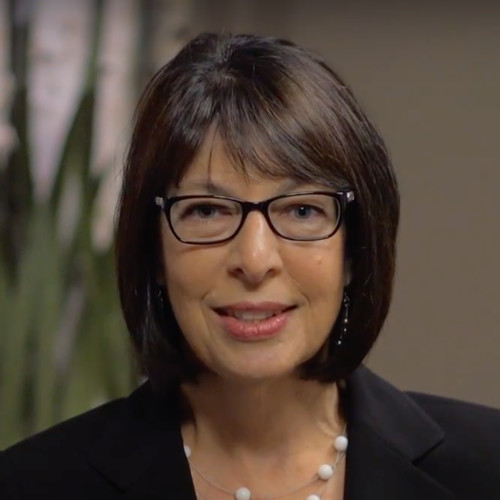

“I did not feel like it was a ‘cut-throat’ environment nor was it intimidating.”
Stephanie, University of Exeter student (no surname published), describing the PwC assessment centre. This is one person’s account from a Bright Network interview published in January 2020, before PwC moved to its current virtual format.
The PwC assessment centre is the virtual stage that sits between PwC’s video interview and its final in-person interview, and it is where most of the picking between candidates happens. PwC’s own selection page calls it the “penultimate stage” of its early careers process, run as a “virtual immersive assessment centre” that assesses you against the skills and attributes PwC says are crucial for success. This guide sets out the whole PwC process in order, what the PwC assessment centre involves, what PwC publishes about AI and adjustments, and what third-party sources report about the day itself. PwC does not publish the individual exercises, so where this page describes them it says “reported” and links the source.
PwC assessment centre at a glance
| Item | What PwC states |
|---|---|
| Who it applies to | Early careers candidates, including graduates (the process page covers entry level, undergraduate and graduate programmes) |
| Stages in order | Apply online; online assessment; video interview; virtual assessment centre; finding you the right role (graduates only); business assessment; offer; screening and onboarding |
| Online tests | Hosted on SHL: a non-assessed “Bringing our values to life” activity, an untimed behavioural assessment, then a timed cognitive test |
| Video interview | On demand via SHL; recorded answers reviewed afterwards by an assessor |
| Assessment centre format | Virtual and immersive, assessed against PwC’s core skills and attributes |
| Final interview | In person with a senior leader from your matched business area, in your matched office |
| Applications | One at a time; unsuccessful or withdrawn candidates wait for the 2028 programmes |
Source: PwC assessment and selection process. Salary is not part of this guide; see our PwC graduate scheme page and the paycheck calculator for take-home pay.
The PwC process, stage by stage
PwC says that at the start of your application you get access to resources on what to expect and how to prepare for each stage. In order:
- Apply online. Pick one opportunity and complete the form. PwC asks you to follow instructions, proofread, be concise and be accurate about your results, because it checks academics later. TARGETjobs reports (April 2025) that the form does not require a CV or cover letter, though our ATS resume guide and cover letter guide still help for other firms.
- Online assessment. On the SHL platform. First comes “Bringing our values to life”, which is not assessed and helps you judge whether PwC’s culture suits you. Then an untimed behavioural assessment, followed by a timed cognitive test covering numerical, inductive and deductive reasoning.
- Video interview. Questions appear on screen and you describe your experience. There is no live interviewer; an assessor reviews the recording afterwards.
- Virtual assessment centre. The PwC assessment centre itself, covered below.
- Finding you the right role (graduates only). Once matched to a business area and office, you book a call with a recruiter who explains the match, recaps feedback from earlier stages and sends preparation resources. Preferences are considered but not guaranteed.
- Business assessment. An in-person interview with a senior leader from your matched business area, in your matched office.
- Offer, screening and onboarding. The PwC UK Careers team gives feedback and the outcome. Before you start, PwC checks grades and job history.
PwC’s FAQs add that the completion deadline for each stage is in your invitation email and is usually seven days from receiving it.
What the PwC assessment centre involves

PwC states the purpose plainly: to learn more about you, assess you against its core skills and attributes, and show you how PwC works, as much for you to decide whether the firm fits as for PwC to assess your “human and technical skills”. It does not publish the exercise list, number of assessors, group size or length of the day, so check your invitation for the schedule.
Reported format. TARGETjobs reports that the virtual PwC assessment day involves working in groups and individually on activities such as case studies and meetings, with a personal schedule you manage yourself, and that some roles may add a second virtual interview. Stephanie’s 2020 account to Bright Network lists group discussions, an individual task and an interview, and says a final interview asked her to reflect on her own performance. Treat both as indicative, not as PwC’s current agenda.
The behaviours PwC assesses. PwC’s behaviours page says candidates are assessed using the PwC Professional framework, which has two dimensions and applies across all early careers programmes:
- Trusted Leadership: inspire (“I understand my impact and people want to work with me”), empower (“I coach and work side by side with others”) and evolve (“I grow as a person and guide us into the future”).
- Distinctive Outcomes: champion (quality, integrity and inclusive behaviour), build (a business mindset to increase PwC’s success) and deliver (collaborating across PwC to deliver quality client experiences).
PwC says the behaviours are considered throughout selection, in assessments and interviews, and that you can evidence them through education, part-time work, volunteering or extracurricular activities. It also says you will go through a series of workplace scenarios during assessment.
How to prepare for each PwC assessment stage
- Online tests. PwC says you can take practice tests once invited, and its Employability Hub links SHL practice tests for numerical reasoning, inductive reasoning and behaviour-based assessments. Find a quiet space for the timed cognitive test.
- Video interview. Prepare one real example per PwC Professional behaviour and practise answering aloud to a camera. TARGETjobs reports candidates being asked about teamwork, what they know about PwC and why they want PwC and a specific business area.
- Group work and case exercises. The Hub also links PwC’s own assessment centre e-learn, but it needs JavaScript and could not be read for this guide, so open it directly. TARGETjobs recommends contributing without dominating, bringing in quieter members, not interrupting and summarising progress while watching the clock. Stephanie’s tips were to practise SWOT analysis, work quickly through large piles of information and contribute without over-dominating. Our assessment centre guide covers group exercises, presentations and STAR answers in more depth.
- Business assessment. Use the recruiter call to ask what to expect and read about the team and office you are matched to.
PwC assessment day tips
- Read the invitation twice and log in early; deadlines are usually seven days from the invite.
- Use camera-friendly basics: quiet room, clear background, tested internet and browser.
- Ask questions about the role and team; TARGETjobs reports PwC recruiters value candidates who come prepared with them.
- Expect to feel you underperformed somewhere; our survival guide explains why that is normal.
After the PwC assessment centre: feedback and offer
PwC does not state a fixed turnaround for assessment centre results. What it does say: matched graduates have a recruiter call that recaps feedback from earlier stages, and after the business assessment the PwC UK Careers team contacts you with feedback and the outcome. Its FAQs say that after applying, “in some cases it could be up to a month” before you hear an outcome. Once you accept an offer, PwC says you will be asked to complete checks such as Fit and Proper and Independence assessments, background checks and criminal record checks, and PwC does not offer deferred start dates for early careers programmes.
Reasonable adjustments and AI use at the PwC assessment centre
Adjustments. PwC says it makes reasonable adjustments for candidates who are disabled, neurodivergent or have a long-term condition. You can state your needs in the online application form, and PwC asks you to tell it before attempting any assessment; you can also contact the early careers helpdesk. See PwC’s adjustments page. Information shared is kept confidential and used only to support the application.
AI. PwC says AI tools, AI-enabled services or third-party help to generate, edit, rewrite, summarise, coach or otherwise complete assessment responses are not permitted unless PwC explicitly authorises them. It says it does not use AI to assess candidate performance in early careers selection, and that it reviews for duplicate accounts, highly similar responses and indicators of third-party or AI-assisted support. Applications can be withdrawn if responses are not your own.
When does the PwC assessment centre happen?
PwC does not publish fixed assessment centre dates on the pages used for this guide; you are invited after the online assessment and video interview, so timing depends on when you apply. PwC opened graduate applications on 17 September and undergraduate and entry level on 30 September, and fills roles on an ongoing basis, so check the graduate scheme hub and our guide on when to apply for wider opening dates.
PwC vs Deloitte, KPMG and EY assessment centres
Each Big Four firm designs its own final stages, so a PwC-specific plan does not transfer directly. Our PwC vs Deloitte comparison sets PwC’s recorded video interview and virtual assessment centre against Deloitte’s online assessment, job simulation and final-stage topic discussion with interview. For the other firms, read our Deloitte, KPMG and EY graduate scheme pages. If your degree is a 2:2, PwC says most graduate programmes require a pass, and our 2:2 guide lists other options.
Other employers run their own versions of the day. Read our Civil Service Fast Stream guide, the Rolls-Royce graduate scheme guide and the Nationwide graduate scheme guide to compare assessment stages, or return to the graduate assessment centre guide.
PwC assessment centre FAQ
Is the PwC assessment centre virtual?
Yes. PwC describes it as a “virtual immersive assessment centre”, and the in-person stage is the later business assessment with a senior leader.
What is the PwC video interview?
An on-demand interview on the SHL platform. You answer on-screen questions, nobody interviews you live, and an assessor reviews the recording afterwards.
What exercises are in the PwC assessment day?
PwC does not list them. TARGETjobs reports group and individual activities such as case studies and meetings; a graduate account from 2020 reports group discussions, an individual task and an interview.
How long is the PwC graduate assessment centre?
PwC does not state a length in the pages reviewed. Your invitation and personal schedule will give the timings.
Do I need a 2:1 for the PwC graduate assessment centre?
No. PwC says most graduate programmes require a pass in your degree, although some roles have additional academic requirements, so check the job description.
Can I use AI during the PwC assessments?
No, unless PwC explicitly authorises it. PwC says it does not use AI to assess candidate performance and will withdraw applications where responses are not your own.
Can I reapply to PwC if I fail the assessment centre?
PwC allows one application at a time. If you are unsuccessful or withdraw, you wait to apply for programmes starting in 2028.
More graduate scheme guides
Compare employers, deadlines and processes across the UK in our graduate scheme hub, and read the full PwC graduate scheme guide for eligibility, locations and benefits.