

Budgeting on a graduate salary is genuinely hard the first time round — nobody warns you how fast a “big” number on your offer letter shrinks once tax, rent and a Tesco meal deal habit take their cut. I moved to London on £18,000 a few years back and nearly blew my first month’s pay before I’d even unpacked the boxes. If the end of your degree is looming and money is the scary bit nobody talks about, let’s actually do the maths for 2026.
How much money are we working with here?
Right, let’s start with the number itself. The average UK graduate starting salary sits around £30,500 in 2026, though it swings wildly by field — arts and social science grads often start closer to £24,000-£27,000, while law, finance and consulting grads can clear £40,000+ before they’ve even finished training. For this guide, I’m working with £28,000 a year — a fair mid-point, and close to what I actually started on once you adjust for inflation.
If you’re not sure whether your own offer is decent, our salary guides by role are the fastest way to sanity-check it before you sign anything.
Looking at graduate schemes specifically? Our graduate scheme hub has the full 2026 breakdown by employer.
***Brief salary interlude***
Before we go further — a quick gut check on whether you’re actually being paid fairly. A reasonable floor to measure your own offer against is around £20,000 a year for most entry-level graduate roles. I know money still feels like an awkward thing to talk about at 22, but ask around — a couple of mates in a similar field, doing similar work. It’s the fastest way to find out if you’re being lowballed. If an offer doesn’t cover rent, bills and groceries with something left over, that’s your answer, not a moral failing on your part.
How will your graduate salary be divvied up?

On £28,000 in 2026/27, after Income Tax and National Insurance take their cut (20% tax above the £12,570 personal allowance, plus 8% NI on the same band), you take home £23,679.60 a year — about £1,973 a month. That’s the number to actually budget against, not the one on your offer letter, and it stung a bit the first time I worked it out too.
Plug your own number into our Paycheck Calculator — genuinely, do this before you do anything else on this page.
Monthly budget on £28,000 (London, 2026)
| Category | Cost | Left over |
|---|---|---|
| Take-home pay | — | £1,973 |
| Rent (shared room, Zones 3-4) | £825 | £1,148 |
| Bills (utilities, council tax, internet, per person) | £150 | £998 |
| Transport (Zone 1-3 Travelcard, or PAYG capped) | £200 | £798 |
| Groceries | £200 | £598 |
| Eating out / entertainment / shopping | £300 | £298 |
| Left to save | — | £298/month |
The basics are as follows.
Rent
Rent is the one that’ll wreck you if you get it wrong. A room in a shared flat runs £900-£1,300 a month in Zone 2, £700-£950 in Zones 3-4 (the actual sweet spot most graduates end up in — trust me, an extra 15 minutes on the Overground is worth £200/month), and £500-£800 further out in Zones 5-6 if you really don’t mind the commute.
Nobody tells you about the deposit either — five weeks’ rent, protected by law, due upfront and completely separate from your monthly budget. Start squirrelling that away before you even start flat-hunting, not after.
Bills
Electricity, gas, water, broadband, council tax — the fun stuff. Budget £120-£180 a month per person in a shared house, though this genuinely depends on how many of you are splitting it and whether your flat was built this century. Ask to see last winter’s bills before you sign anything. I didn’t, once, and regretted it deeply every February.
Transportation
A Zone 1-3 monthly Travelcard will set you back £201.60 in 2026 and covers basically everything — Tube, DLR, Elizabeth line, Overground, most National Rail. If your commute is shorter or a bit random, pay-as-you-go with daily/weekly capping usually works out cheaper than committing to the full pass.
The actual best tip I have: if you’re under 26, get a 16-25 Railcard linked to your contactless card. 34% off off-peak fares doesn’t sound like much until you realise how many weekend trips you take once you’ve actually got a salary to spend.
Groceries and Household
Budget £40-50 a week if you’re cooking most of your own meals — and own-brand ranges at Aldi, Lidl and Sainsbury’s are doing a lot more legwork here than your ego wants to admit. (Also, yes, I did just link you to the Aldi graduate scheme — if grocery shopping there is good enough for your wallet, maybe working there is too.) Batch-cooking on a Sunday is the one habit that’s actually kept this number under control for me, not just a smug tip I read somewhere.
Eating Out, Entertainment, Shopping
This is the category that eats every graduate budget alive. Set yourself an actual number — £250-350 a month is realistic in London if you still want a social life — and track it properly, don’t just vibe it. Time Out London is still unreasonably good for free and cheap things to do if you want to keep this number honest.
Savings/Emergency buffer
That leaves roughly £298 a month to actually save, going by the breakdown above. Not life-changing, but real, and it compounds — aim for a 1-2 month emergency buffer before anything fancier, because a broken laptop or a deposit on your next flat will absolutely turn up at the worst possible time. It always does.
Top saving tips

Basics-range everything. Own-brand is doing more work than your ego wants to admit — I switched to Sainsbury’s basics range in my first month and genuinely couldn’t tell you what changed except my bank balance. Aldi or Lidl nearby? Even better.
Actually look at your balance. At uni I avoided my banking app like it owed me money — turns out ignoring it doesn’t make the number bigger. Check it weekly. The only balance worth being scared of is the one you haven’t looked at.
Get a coin jar you can’t easily raid. Sounds twee, works shockingly well. Make it a rule — every round-number purchase, spare change goes in. Swear jar it if you have to.
Track where it’s actually going. Not vibes — an actual spreadsheet, or Monzo’s built-in spending categories if you’d rather not build one yourself. You cannot fix a leak you haven’t found.
Kill the overdraft first. If you’re carrying one from uni, that’s priority number one before any savings goal — the interest-free buffer shrinks every year you’re out, and it will not wait for you to feel ready.
Don’t spiral over one bad month. You will blow the budget on a night out at some point. Everyone does. Tighten up, catch up next month, move on — guilt doesn’t refund anything.

A list of great tools to track your finances
Right pals. These three tools are basically your savings secret weapons. One’s a new kind of bank card, and two are actually Facebook Messenger chatbots. We’re living in the 21st century after all, and your budgeting should absolutely reflect that.
Monzo
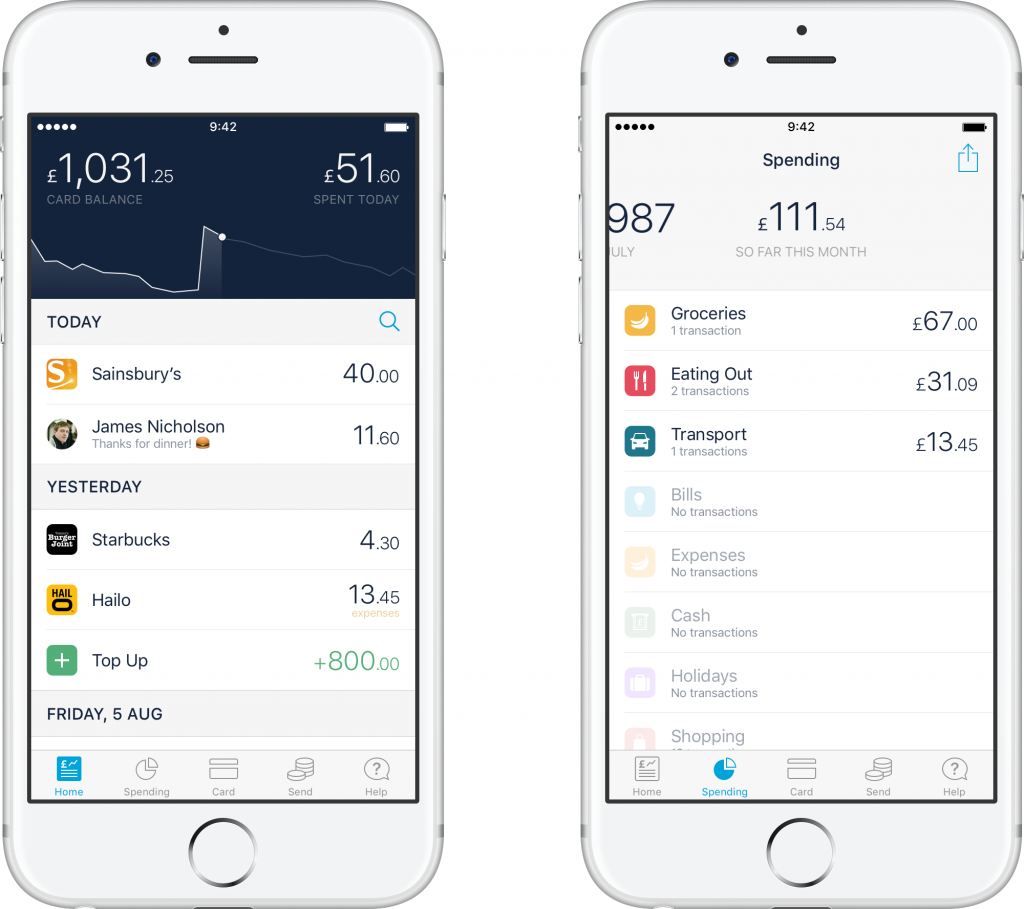
Meet Monzo. Monzo is a sassy pink debit card coupled with the smartest banking mobile app we’ve ever seen.
Still my ride-or-die. The coral card and the app’s instant “cha-ching” notification every time you tap to pay is genuinely the best guilt-trip technology has ever built — you will think twice before walking into Zara “just to look.” Pots let you physically hide your rent money from yourself, which is brutal but effective.
Plum

The one that saves money for you, quietly, in the background, based on what it reckons you can actually spare that week. I’ve genuinely forgotten I had savings building up in there before — in a good way. Plum is a really useful tool that takes the thinking outta your saving.
Essentially, you link your bank account to Plum, and it saves a small amount of money for you automatically. It squirrels it away into your Plum savings, away from your main account so you don’t accidentally spend it.
Cleo
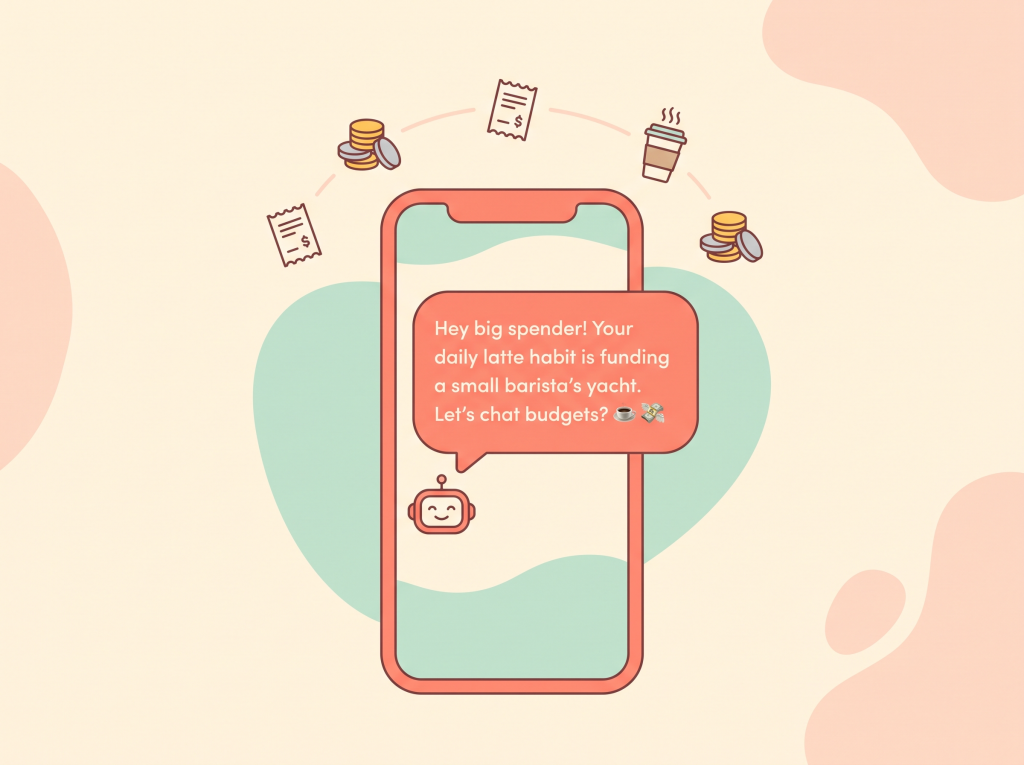
The other Messenger chatbot, and the one with actual personality — Cleo will roast you for a £40 Deliveroo order in a way that’s somehow more motivating than any spreadsheet. Ask it “how much have I spent this week” and brace yourself. Underneath the jokes it’s genuinely good at flagging subscriptions you forgot you had.
And that, pals, is the actual maths behind budgeting on a graduate salary in 2026. Got a tip that’s saved you money that I haven’t mentioned? Tweet us @DebutCareers and we might add it here.
Landed the job already and just need to get through the interview stage first? Our guide to passing a graduate assessment centre covers exactly what to expect.
Read next: our guide to renting in London as a graduate.
Say hi to us on Facebook, Twitter and LinkedIn! We’d love to hear from you.