

Understanding your annual income is one of the cornerstones of effective financial planning — especially for UK graduates evaluating their first job offer. This figure represents the total amount of money you earn over the course of a year, encompassing all sources of income before any deductions. Knowing your annual income is essential for managing your finances, setting achievable financial goals, and ensuring you’re prepared for expenses and investments. Whether you’re evaluating a job offer, planning for taxes, or applying for a loan, your annual income serves as a critical metric for making informed decisions.
What Is Annual Income?

Annual income refers to the total earnings accrued over a twelve-month period. It includes all sources of income, such as wages or salary from employment, freelance earnings, investment dividends, rental income, and any other financial inflows. For most individuals, this figure is broken down into two categories: gross annual income and net annual income. Gross income is the total earnings before deductions, while net income is what remains after taxes, social security, and other mandatory contributions are subtracted. For example, if you earn a salary of £30,000 from your primary job, an additional £5,000 from freelance work, and £2,000 in dividends, your gross annual income would amount to £37,000.
Having clarity on your annual income is crucial because it directly impacts your ability to budget effectively, qualify for financial products, and evaluate your overall financial health. Without this understanding, you might underestimate your tax obligations or overestimate your disposable income, leading to poor financial decisions.
Why Is Knowing Your Annual Income Important?
Being aware of your annual income is vital for several practical reasons. Firstly, it provides a foundation for creating a realistic budget. By understanding exactly how much you earn, you can allocate your income toward essential expenses, discretionary spending, savings, and investments. Secondly, when applying for a loan or mortgage, lenders use your annual income as a key metric to assess your creditworthiness and ability to repay. A higher annual income often translates to better loan terms and greater borrowing capacity.
In addition, knowing your annual income enables you to set and achieve financial goals. Whether you’re saving for a house deposit, planning a significant purchase, or building an emergency fund, an accurate understanding of your income helps you determine how much you can save each month. Lastly, it helps with tax planning. Understanding your annual income allows you to prepare for tax liabilities and identify opportunities for deductions or credits, ensuring you maximize your financial efficiency.
How to Calculate Your Annual Income
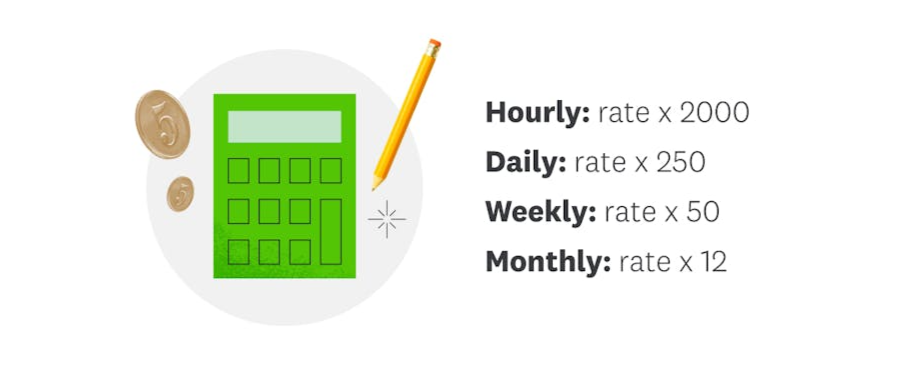
Calculating your annual income is a straightforward but essential process that ensures you have an accurate picture of your earnings. To begin, identify all sources of income over the past year. This includes your salary or wages, bonuses, overtime pay, freelance work, rental income, investment returns, and any other inflows of cash. For example, if you receive a monthly salary of £2,500, your annual salary from employment would amount to £30,000. If you earn an additional £10,000 from freelance projects and £5,000 in rental income, your total gross annual income would be £45,000.
Once you’ve calculated your gross annual income, you’ll need to account for deductions to determine your net annual income. Subtract taxes, pension contributions, social security payments, and any other deductions from your gross income. For instance, if your total deductions amount to £9,000, your net annual income would be £36,000. While online salary calculators can simplify this process, understanding how to perform the calculation manually ensures you are fully aware of how your income is distributed.
Applications of Annual Income Knowledge
Understanding your earnings has numerous applications in both personal and professional contexts. In personal finance, it allows you to create effective budgets and allocate your income wisely across needs, wants, and savings goals. It also helps you plan for significant life events, such as purchasing a home or funding education, by providing a clear picture of your financial capabilities.
In professional settings, knowing your annual income can be a powerful tool during salary negotiations. By understanding industry standards and comparing your income to peers, you can advocate for fair compensation. Furthermore, it ensures you have realistic expectations when evaluating job offers or planning career advancements. Employers also often request annual income figures to assess eligibility for certain benefits or performance incentives, making it critical to have an accurate and up-to-date understanding of this figure.
Annual Income for UK Graduates: What to Expect in 2026
For 2026, the UK Personal Allowance (the amount you can earn tax-free) is £12,570, with the basic rate of Income Tax (20%) applying up to £50,270. National Insurance is also deducted separately once you earn above £12,570 a year. A typical UK graduate starting salary of £28,000 works out to roughly £23,000-£23,500 net annual income after tax and National Insurance — the exact figure depends on your tax code and any student loan repayments. Want the precise breakdown for your own offer? Use our Paycheck Calculator to see your real take-home pay instantly.
Conclusion
Your annual income is more than just a number; it’s a comprehensive reflection of your financial situation and a critical tool for planning your future. Whether gross or net, understanding this figure enables you to budget effectively, prepare for taxes, and make informed financial decisions. By calculating your total income accurately and using this knowledge wisely, you can take control of your finances, set realistic goals, and build a stable and prosperous future.
Is annual income the same as salary?
Not exactly — salary is usually just your base pay, while annual income includes salary plus bonuses, freelance earnings, dividends, and any other income sources.
What’s the difference between gross and net income?
Gross annual income is your total earnings before tax and deductions. Net annual income is what you actually take home after Income Tax, National Insurance, and pension contributions.
How do I calculate this if I’m paid hourly?
Multiply your hourly rate by the number of hours you work per week, then multiply by 52 weeks.
Does this figure include student loan repayments?
No — student loan repayments are deducted from your gross income to arrive at net income, similar to tax and National Insurance.
What annual income counts as a “good” graduate salary in the UK for 2026?
Graduate schemes at major employers typically start between £26,000 and £35,000, though this varies significantly by industry and location — see our salary guides for role-specific figures.